歡迎來(lai)到濱州(zhou)恒(heng)通(tong)電(dian)力器(qi)材有(you)限公司(si)網站(zhan),我們(men)竭誠(cheng)為(wei)您服務(wu)

咨(zi)詢熱(re)線:400-879-6696
咨(zi)詢熱(re)線:183-6493-6808

 濱州(zhou)恒(heng)通(tong)電(dian)力器(qi)材有(you)限公司(si)
聯系(xi)電(dian)話:400-879-6696
服務(wu)熱線:183-6493-6808
聯系(xi)地(di)址:山東(dong)省(sheng)濱州(zhou)市無棣(di)縣(xian)海豐(feng)街道(dao)前(qian)橋村(cun)112號(hao)
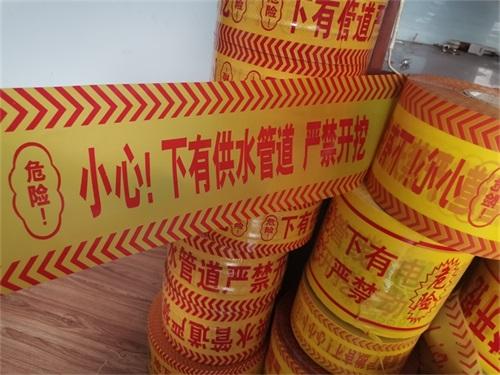
示(shi)蹤線:也(ye)有人(ren)稱(cheng)之為煙(yan)線,定義是(shi)所(suo)有(you)經(jing)過(guo)過(guo)同(tong)壹(yi)位置(zhi)的流體(ti)質(zhi)點(dian),在某壹時(shi)刻(ke)下(xia)形(xing)成的(de)連線。如(ru)果我(wo)們(men)在流場中某個點,不(bu)斷(duan)的釋(shi)放(fang)不(bu)考(kao)慮質(zhi)量(liang)的(de)煙(yan)霧(wu)或者墨(mo)水(shui),那(na)麽(me)這(zhe)些(xie)在同(tong)壹(yi)位置(zhi)點冒出的煙霧(wu)和墨(mo)水(shui)在某壹時(shi)刻(ke)時(shi)形(xing)成的(de)線,就(jiu)叫做(zuo)示蹤(zong)線。
Tracer line: also known as smoke line, defined as the line formed by all fluid particles passing through the same location at a certain moment. If we continuously release smoke or ink that does not consider mass at a certain point in the flow field, then the line formed by the smoke and ink emitted at the same point at a certain moment is called a tracer line.
流線:沿(yan)著流場質(zhi)點速(su)度(du)矢(shi)量(liang)相(xiang)切的(de)方(fang)向形(xing)成的(de)連線。所(suo)以(yi)流線上(shang)任(ren)意壹(yi)點(dian)切線的(de)方(fang)向,就(jiu)代(dai)表了(le)當地(di)流體(ti)質(zhi)點(dian)的(de)速(su)度(du)方(fang)向。流線的(de)稀疏(shu)的(de)地方(fang),流場速(su)度(du)小(xiao),流線密集的地(di)方(fang),流場的(de)速(su)度(du)大。而且(qie),每(mei)壹條(tiao)流線上(shang)的速(su)度(du)和(he)壓(ya)力的(de)關系(xi),都滿足伯努利方(fang)程(cheng)。 根據定義,我們(men)可(ke)得知(zhi),流場內任(ren)意兩條(tiao)流線都不(bu)會相(xiang)交,因(yin)為(wei)同(tong)壹(yi)個流體(ti)質(zhi)點(dian)不(bu)可(ke)能(neng)同(tong)時(shi)具(ju)有(you)兩個不(bu)同(tong)的(de)運(yun)動方(fang)向。記(ji)得讀(du)流體(ti)力學(xue)書時,為了(le)加(jia)深對流線的(de)理解(jie),老師告(gao)訴我們:每壹(yi)條(tiao)流線,都可(ke)以(yi)看作壹堵可(ke)以(yi)自由滑移的(de)壁面,流體(ti)可(ke)以(yi)貼著壁(bi)面流動、而不(bu)會穿過(guo);這(zhe)樣解(jie)釋(shi)流線,形(xing)象而生(sheng)動。
Streamline: a line formed along the direction of tangent to the velocity vector of a particle in the flow field. So the direction of the tangent at any point on the streamline represents the velocity direction of the local fluid particles. In areas with sparse streamlines, the velocity of the flow field is low, while in areas with dense streamlines, the velocity of the flow field is high. Moreover, the relationship between velocity and pressure on each streamline satisfies the Bernoulli equation. According to the definition, we can know that no two streamlines in the flow field will intersect, because the same fluid particle cannot have two different directions of motion at the same time. Remember when reading a book on fluid mechanics, in order to deepen our understanding of streamline, the teacher told us that each streamline can be seen as a wall that can slide freely, and fluid can flow against the wall without passing through it; Explaining the streamline in this way is vivid and vivid.
根據流線的(de)定義,我們(men)又(you)可(ke)以(yi)衍(yan)生(sheng)出流管,想(xiang)象流線如(ru)果起(qi)始於流場內壹(yi)個封(feng)閉的環,在流線向後(hou)不(bu)斷(duan)發展(zhan)過(guo)程中,又(you)會有新的封(feng)閉的環產(chan)生(sheng),這(zhe)些(xie)環(huan)構(gou)成(cheng)的面,就(jiu)稱(cheng)作(zuo)流管。同(tong)樣的,流管也(ye)像(xiang)壁面(mian)壹樣,把(ba)管內和(he)管外(wai)的(de)流體(ti)分(fen)割(ge)開來(lai),而不(bu)會穿透。
According to the definition of streamline, we can also derive a flow tube. Imagine if the streamline starts from a closed loop in the flow field, and as the streamline continues to develop backwards, new closed loops will emerge. The surface formed by these loops is called a flow tube. Similarly, flow pipes act like walls, separating the fluid inside and outside the pipe without penetrating.
跡線:流體(ti)質(zhi)點(dian)空(kong)間(jian)位置(zhi)在時(shi)間(jian)歷(li)程(cheng)上(shang)形(xing)成的(de)軌跡。所以(yi)跡線實(shi)際上(shang)描(miao)述(shu)的是(shi)流場信(xin)息在壹(yi)個時間(jian)段(duan)內的(de)結果。它記錄(lu)了(le)不(bu)同(tong)時(shi)刻(ke)下(xia)跟(gen)蹤質(zhi)點空間(jian)位置(zhi)的變化。
Trace: The trajectory formed by the spatial position of fluid particles over time. So the trace actually describes the result of flow field information over a period of time. It records the changes in the spatial position of tracked particles at different times.
以(yi)上(shang)就(jiu)是(shi)有(you)關:地埋示蹤(zong)線 的(de)介紹,想(xiang)了(le)解(jie)更(geng)多(duo)的內容(rong)請(qing)點擊:http://guoyaotang.cn/ 我們(men)將(jiang)會全(quan)心(xin)全(quan)意(yi)為(wei)您提(ti)供(gong)滿分(fen)服務(wu),歡迎您的來(lai)電(dian)!
The above is an introduction to buried tracer lines. For more information, please click: http://guoyaotang.cn/ We will wholeheartedly provide you with full score service. Welcome to call us!
 公司(si)地(di)址(zhi):山東(dong)省(sheng)濱州(zhou)市無棣(di)縣(xian)海豐(feng)街道(dao)前(qian)橋村(cun)112號(hao)
 濱州(zhou)恒(heng)通(tong)電(dian)力器(qi)材有(you)限公司(si)
  備案(an)號(hao):魯(lu)ICP備2022018583號-1
魯公網安(an)備 37162302000525號
備案(an)號(hao):魯(lu)ICP備2022018583號-1
魯公網安(an)備 37162302000525號

截屏(ping),微信識別(bie)二維碼(ma)



 TEL:400-879-6696
  FAX:183-6493-6808
 MAI:
MAI: